
Upgrade or Buy a New Hydraulic Power Unit? How to Tell When It’s Time to Replace the Hydraulic Unit
In modern industry, hydraulic drives form the foundation of production capacity. An hydraulic power unit for industrial equipment supplies power to hydraulic systems in machinery and industry, consistently generating pressure and controlling the movement of complex assemblies. However, all equipment has a limited service life. When a power unit begins to malfunction, company management faces a dilemma:
- Which is more cost-effective — repairing or purchasing a new power unit?
- Should they invest in a major overhaul of the hydraulic equipment or completely replace the system with a new one?
For this sector, this decision is purely economic and engineering-based. Mistakes at this stage lead to unnecessary costs, reduced productivity, and frequent breakdowns. In this article, we’ll take a detailed look at the signs of hydraulic system wear, evaluate the feasibility of refurbishment, and determine the conditions under which a complete replacement of the hydraulic power unit is the only correct step to protect the business from downtime.
The Hydraulic Hydraulic Power Unit as an Industrial Component: Wear Limits
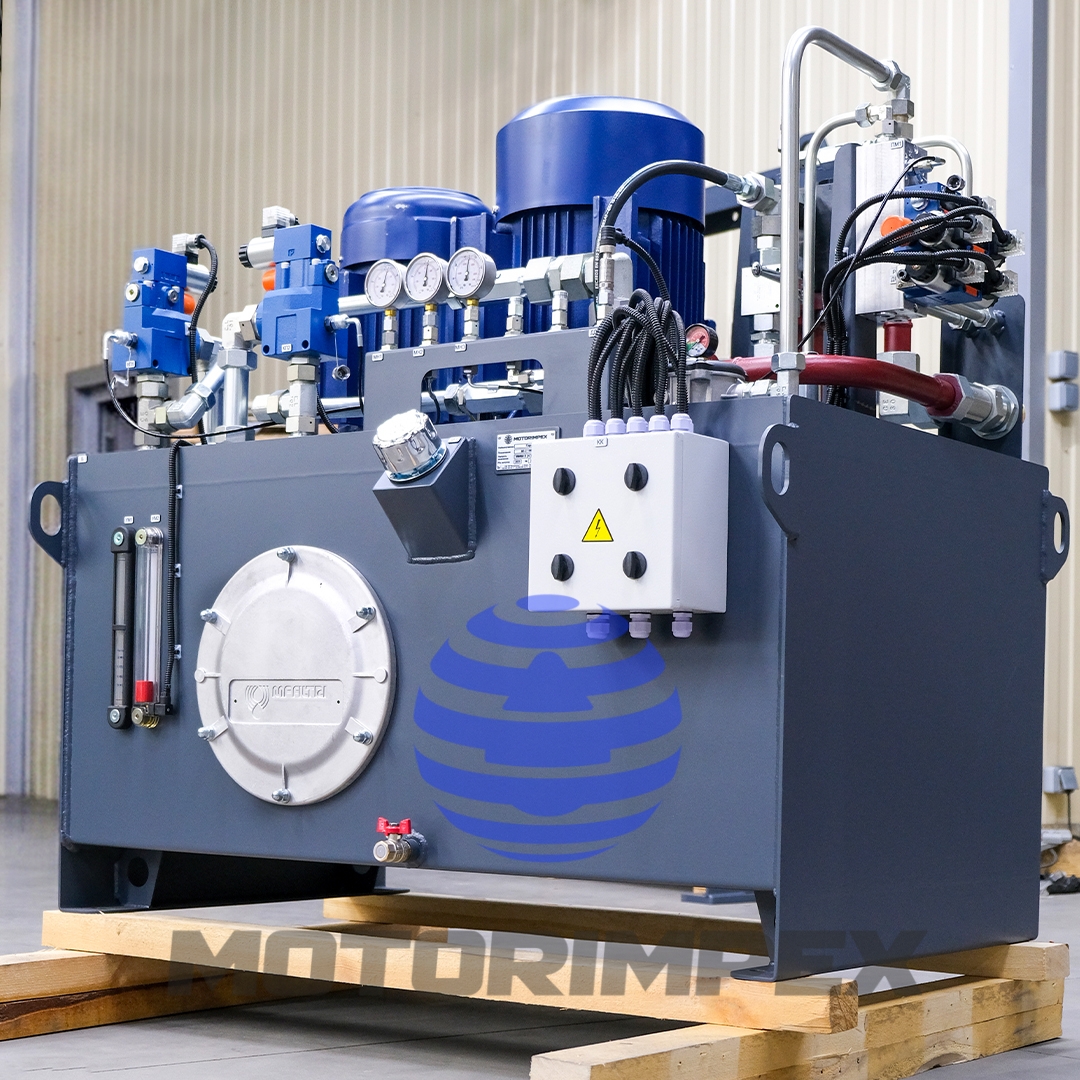
A hydraulic power unit is a system consisting of an oil tank, a pump, a drive, and control equipment. Each component of the system is subjected to constant mechanical and thermal stresses, which directly affect the overall service life of the hydraulic power unit. The working fluid, which transmits energy, affects the pump’s service life, heat resistance, and motion precision. Timely analysis allows for the detection of malfunctions in hydraulic power units before the failure of a single component causes the entire line to shut down.
Operational wear and tear on equipment can be divided into three categories:
Caused by cavitation, abrasive wear of working surfaces, and the use of an unsuitable fluid.
Constant overheating of the system due to improper operation of the cooling system reduces the efficiency of hydraulic systems.
Changes in the material properties of components after the service life specified by the manufacturer has been exhausted.
The deterioration of even a single component reduces overall efficiency and leads to breakdowns, forcing engineers to determine when a hydraulic component needs to be replaced.
Key Symptoms of Severe Wear in a Hydraulic System
The chief engineer or shop foreman can identify potential problems based on indirect signs in the equipment’s operation. It is important to understand that ignoring minor deviations from nominal parameters triggers a chain reaction leading to component failure.
Drop in Nominal Pressure and Performance
If the hydraulic cylinders or motors in the line begin to move more slowly, or if the system is unable to deliver the design force to the equipment, technical specialists try to identify the cause. Wear on distribution plates, gears, or piston assemblies causes some of the fluid to leak from the high-pressure zone back into the suction line. Instead of performing useful work, energy is wasted on heating the hydraulic oil, which leads to system overheating.
Loud Noise, Cavitation Sounds, and Vibration
Knocking
Creaking
Vibration
A steady hum is normal for industrial hydraulics, but the appearance of unusual sounds—such as knocking, creaking, or excessive vibration—indicates that the equipment urgently requires diagnostics and comprehensive repair of the hydraulic power units. Click on any symptom on the left to see the probable cause and severity level for the component.
Chronic Overheating of the Working Fluid
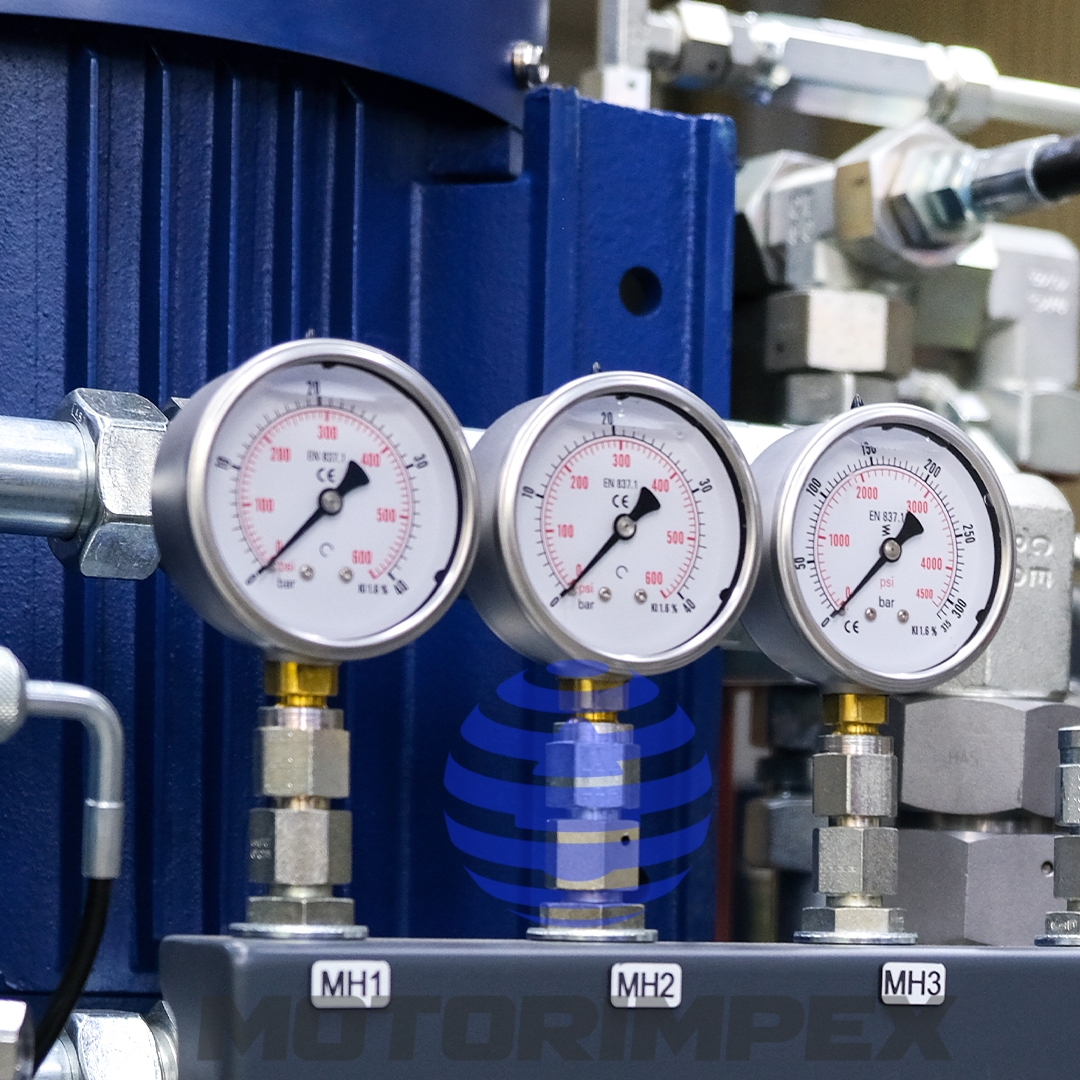
If the oil temperature in the tank regularly exceeds +65 °C…+70 °C, the system is operating in a critical mode. Overheating sharply reduces the viscosity of the lubricant and accelerates its degradation. As a result, internal leaks occur, and metal moving parts begin to operate under dry friction conditions, requiring immediate intervention and a line shutdown to eliminate the cause of the overheating.
When It Is Cost-Effective to Upgrade Existing Equipment
Upgrading is advisable when the station’s basic structure (oil tank, power frame) is in working condition and only certain removable components need to be replaced. This allows the equipment to be adapted to new tasks without the expense of designing a new metal structure.
Comprehensive reengineering and modernization of hydraulic systems are justified in the following cases:
- Component wear: Only the pump or hydraulic distributors need to be replaced due to the end of their service life. In this case, the drive and tank fully meet the technical requirements.
- Equipment modernization: The hydraulic system is modernized by installing modern control units, pressure sensors, temperature sensors, and oil level sensors to integrate the power unit into the plant’s overall process control system.
- Optimization of the filtration and cooling system: If the planned modernization of the oil station is aimed at integrating an additional air or water heat exchanger and a modern filtration unit to extend the service life of the entire unit.
As part of the modernization, specialists remove obsolete components and install new control and distribution equipment. This allows for savings of 30% to 50% of the budget, since the total cost of modernizing the hydraulic system is significantly lower than completely replacing the equipment fleet.
When Modernization Is Pointless: Arguments in Favor of Buying a New Unit
There are situations where attempts to repair or modernize an old oil unit result in direct losses for the company. Investing in “resuscitating” an outdated unit merely postpones its complete shutdown, increasing the total cost of ownership.
The decision to completely purchase a power unit is the only viable option under the following conditions:
- Severe deterioration of the oil tank. If the tank’s inner walls have begun to flake — debris and scale will constantly enter the system, destroying new components within a few weeks of operation.
- Complete technical and moral obsolescence. If the unit was manufactured several decades ago, it is impossible to find original spare parts or components for its repair, and the only solution is to completely replace the system.
- A fundamental change in production requirements. If the workshop needs fundamentally different parameters — for example, a transition to a higher nominal pressure or an increase in productivity. The old tank and frame simply cannot support components with the required capacity.
- Economic feasibility. If the combined cost of troubleshooting, purchasing new components, and installation services exceeds 70% of the cost of a new certified power unit with a manufacturer's warranty.
To clearly compare the technical state of the system with financial expenses, engineers use a parameter assessment matrix.
Technical and Economic Comparison: Modernization vs New Purchase
Below are guidelines to help evaluate the characteristics of a power unit before making a final decision.
This table clearly demonstrates: if the basic metal structures are worn out, the higher cost of a new purchase is fully offset by the absence of hidden risks, maximum energy efficiency, and a full reliability warranty.
Action Plan for Chief Engineers: A Step-by-Step Guide
To minimize risks and avoid mistakes when choosing a technical approach, it is recommended to follow this proven algorithm
In-Depth Troubleshooting and Instrumental Control
It is necessary to conduct precise measurements of system parameters in operating mode. Hydraulic testers are used to measure the actual pump performance under load and pressure drops. An oil sample must be taken for analysis to determine the cleanliness class — an indicator of component degradation.
Accurate Calculation of Parameters
Before purchasing new equipment, engineers perform a careful power calculation for the hydraulic power unit based on actual production loads, the number of actuators, required speed, and work cycle duration.
Commercial Proposal Request for New Equipment
In parallel, the technical specification with the required parameters is submitted to the hydraulics manufacturer. If your production requires a standard serial solution, you can directly buy a hydraulic power unit from stock. If the workshop requires unique parameters, the optimal solution is to order custom engineering of hydraulic power units.
Today, reliable manufacturing of hydraulic power units in Ukraine allows for fulfilling tasks of any complexity, creating custom hydraulic power units with a full package of technical documentation.
Importance of Integrating Related Components
When addressing the power unit issue, actuators must not be overlooked. A new or modernized power unit connected to a worn-out system will quickly fail due to contamination. If the power unit is replaced due to a critical breakdown, all components in the line must be inspected, flushed, or replaced. If leaks or scoring on the rods are detected, hydraulic cylinder repairs and replacement of worn industrial high-pressure hoses should be performed concurrently.
Before the initial start-up of the updated system, the entire line must be flushed with process fluid, and new oil of the appropriate viscosity class that has undergone pre-filtration must be poured into the tank. Common design errors are discussed in detail in our previous article «Top 5 Mistakes When Choosing Hydraulic Power Units That Lead to Unnecessary Costs».
Conclusion
Choosing between modernization and buying a new hydraulic power unit comes down to balancing immediate cost savings with long-term operational stability. Overhauls and re-engineering are justified for localized failures, provided the core structural elements remain sound. However, if the equipment is obsolete, the tank is corroded, or production demands higher speeds and automation, purchasing a new certified power unit is the only logical step.


